
Activity-based cost management is one of the most complex and critical components in project-driven enterprises. Without effective monitoring and analysis, project costs can easily exceed expectations, leading to declining profitability. Activity-Based Costing (ABC) software helps enterprises shift from “post-event accounting” to “real-time management” by centrally managing labor, materials, equipment, and indirect costs, and deeply integrating with accounting, payroll, and project management systems.
I. Core Functions and Advantages
Mobile and Cloud Collaboration On-site employees can upload working hours and expenses in real time, with data synchronized instantly to the cloud, ensuring that management decisions are always based on the latest operational information.
Comprehensive Cost Tracking and Allocation The software accurately allocates all types of expenditures to project or activity levels, achieving full cost transparency. Automated cost allocation reduces human errors and enables enterprises to understand the true profitability of projects at any time.
Budget and Variance Management Based on budget baselines, the system monitors real-time deviations between actual and planned costs and triggers early warnings when overspending risks arise, enabling project managers to adjust resources and schedules in a timely manner.
Integrated Labor and Time Management Employee working hours are automatically linked to payroll data, generating accurate labor cost reports and significantly improving payroll processing efficiency and project cost allocation accuracy.
Intelligent Analytics and Profitability Insights With built-in dashboards and AI analytics capabilities, management can quickly identify profit drivers, optimize pricing strategies, and focus on high-return projects.
Mobile and Cloud Collaboration On-site employees can upload working hours and expenses in real time, with data synchronized instantly to the cloud, ensuring that management decisions are always based on the latest operational information.
II. Typical Application Industries
Construction: Addressing subcontractor management, cost control, and cash flow challenges.
Manufacturing: Tracking the true costs of orders, batches, and outsourcing processes.
Professional Services: Optimizing billable hours management and client profitability analysis.
Advertising and Agencies: Precisely controlling budgets and resource allocation across multi-client, multi-phase projects.
These industries share common characteristics such as long project cycles, complex cost structures, and diverse settlement processes, making refined cost accounting tools especially critical.
III. Technology Trends and Future Directions
With the deep integration of artificial intelligence, cloud computing, and mobility, activity-based costing software is evolving from a “record-keeping tool” into an “intelligent decision engine”:
AI-powered predictive analytics help identify overspending trends in advance. Cloud platform integration enables unified management of finance, supply chain, and project data. Mobile applications accelerate the information loop between frontline teams and management.
IV. Implementation and Management Best Practices
When introducing activity-based costing software, enterprises should focus on:
Clearly defining business requirements and process gaps. Prioritizing solutions that seamlessly integrate with existing systems. Strengthening training and change management to ensure data quality and user proficiency. Establishing continuous optimization mechanisms, with regular reviews of system performance and user feedback.
V. The Integration Value of NetSuite
Integrating activity-based costing with the NetSuite cloud accounting system enables true “end-to-end project financial management.”
Unified Data Platform: Integrates project, finance, payroll, and inventory information into a single system. Automated Cost and Revenue Recognition: Reduces manual intervention and improves financial accuracy. Real-Time Reporting and Forecasting: Visual dashboards provide instant insights to support executive decision-making.
This integrated solution not only improves operational efficiency, but also enables enterprises to better control cash flow, optimize resource allocation, and enhance overall profitability.
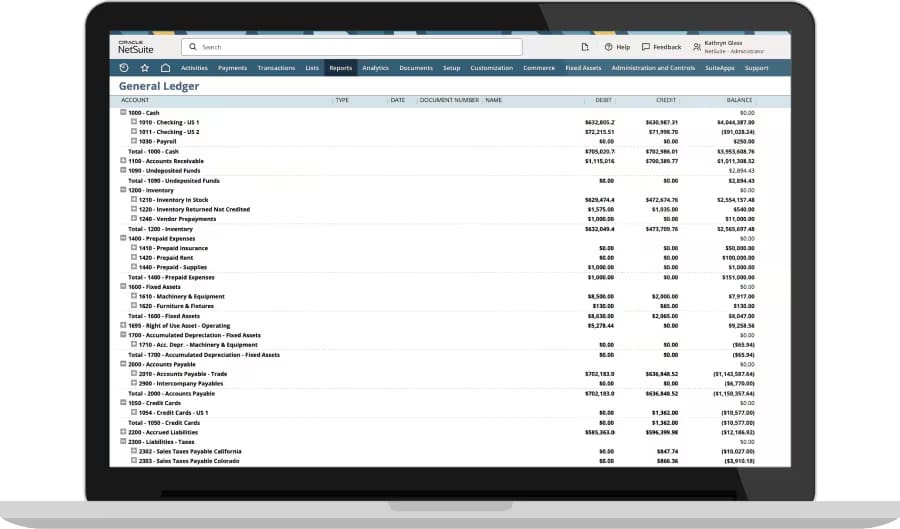
Integrating Activity-Based Costing with Accounting Software
If activity-based costing (ABC) software is not seamlessly integrated with accounting systems, project-driven enterprises face risks such as delayed financial reporting, data errors, and fragmented information flows. These issues can directly undermine profitability and disrupt cash flow management. NetSuite cloud accounting software effectively addresses these challenges by tightly connecting real-time activity-based costing data with comprehensive financial management tools.
This unified platform enables automatic cost allocation, accurate recording of labor and overhead expenses, and detailed profitability reporting by activity or project. Its integrated billing and revenue recognition capabilities, together with customizable dashboards, significantly reduce administrative workload while providing reliable insights that support more informed financial and operational decision-making.
Activity-Based Costing software has become a core digital management tool for project-driven enterprises. From cost control to strategic decision-making, it provides organizations with clear financial visibility and actionable data insights. By combining ABC software with cloud ERP platforms such as NetSuite, enterprises can truly achieve lean operations where “every expense is justified, every project is profitable, and every decision is data-driven.”
